Contango and backwardation explained, and why commodity funds drift from spot prices
The shape of a futures curve can quietly add to or subtract from returns. It explains why a commodity fund can lag the price of the very commodity it tracks.
Stocks, bonds, currencies and commodities: what moves global markets and how to read the signals.
The shape of a futures curve can quietly add to or subtract from returns. It explains why a commodity fund can lag the price of the very commodity it tracks.
The yield curve compresses the bond market's view of growth, inflation and policy into one line. Here is how to read it, and where its famous recession signal falls short.
Every exchange rate hides two prices and a gap between them. Knowing how pairs, pips and spreads work turns an opaque currency quote into a cost a business can compare.
The world's largest financial market has no trading floor and no closing bell. Here is how currencies actually change hands, and why that matters for anyone paying abroad.
The dollar sits on one side of most of the world's currency trades. Understanding what pushes it up or down helps importers, exporters and borrowers anticipate the knock-on effects.
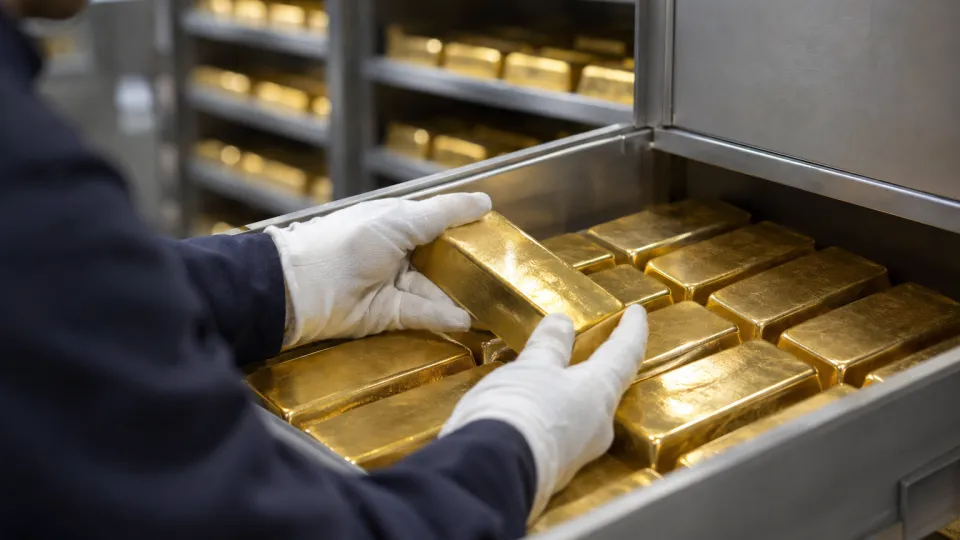
Gold has a reputation as the ultimate safe haven. Its record is more nuanced, and the way an investor holds it matters almost as much as the decision to own it at all.
The headline numbers in a quarterly release are only the start. The details on revenue quality, cash and guidance show whether a company's results are likely to last.
The VIX is quoted as Wall Street's fear gauge, but it measures something specific. Knowing what it is, and what it is not, helps investors read market stress without overreacting.