Paysafecard scams, how to spot a voucher PIN fraud and what to do if you paid
Fake fines, tech support callers, online romances and bogus sellers all end with the same request for voucher PINs. Knowing the pattern is the best protection.
Key takeaways
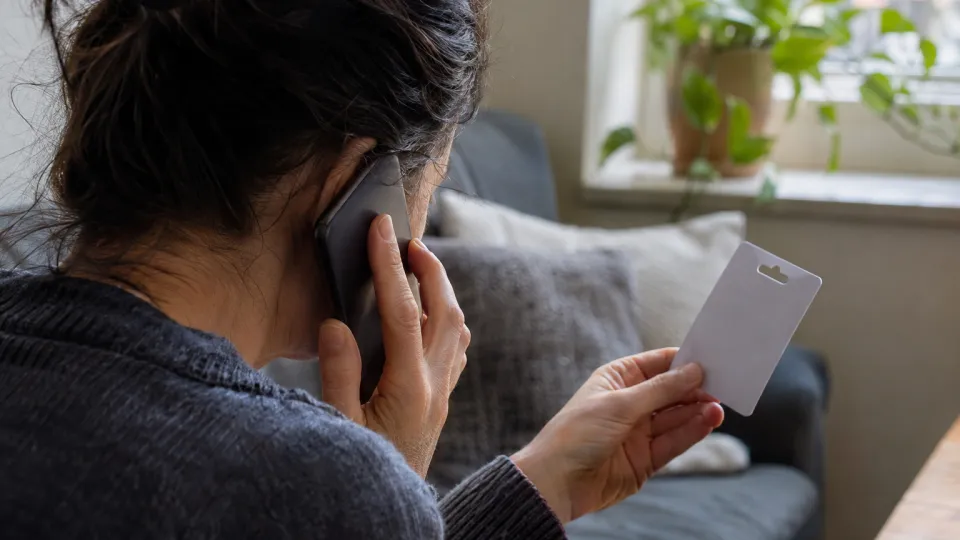
- A paysafecard scam persuades the victim to buy vouchers and read out or send the 16-digit PINs, which lets the fraudster spend the money at once.
- Police, tax offices, courts and debt collectors do not take payment in paysafecard, so any such demand is a scam by definition.
- Victims should stop paying, block any unspent PINs through paysafecard, keep the receipts and report the fraud to the police or the national reporting service.
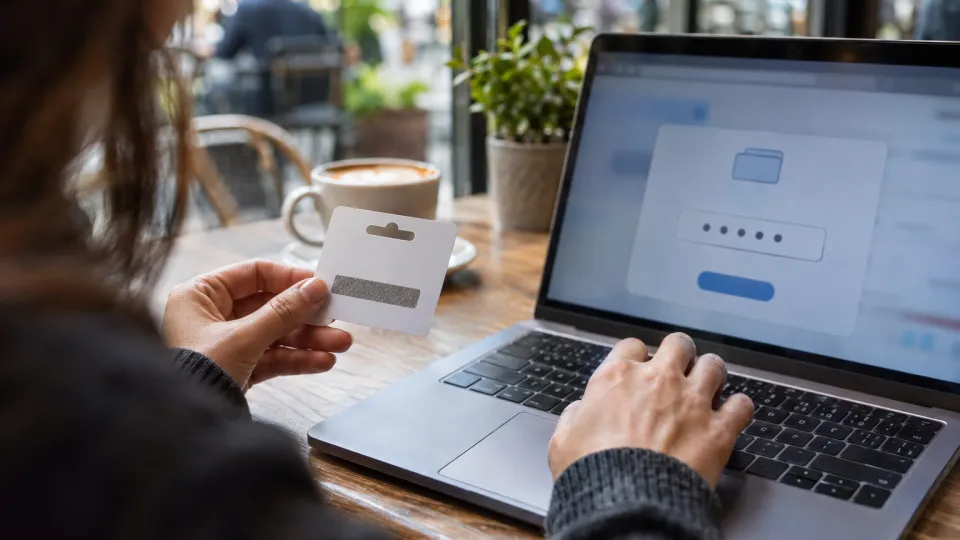
A paysafecard scam is any scheme in which a fraudster persuades someone to buy paysafecard vouchers and hand over the 16-digit PINs, by phone, message or email. Once the criminal has the PIN, the value can be spent within minutes, and money already spent is very hard to recover. The single most useful rule is that no genuine authority, company support desk or private seller has a reason to ask for a voucher PIN outside paysafecard's own payment window.
Paysafecard is a legitimate prepaid payment method owned by Paysafe, used to pay online without sharing bank or card details. The same features that make it convenient, cash-like value, speed and no card details, also make it attractive to fraudsters, as with other prepaid vouchers and gift cards.
This guide describes the common pitches, a checklist of red flags and the steps to take if money has already been handed over. Details were checked against the providers' own pages and official consumer-protection guidance in November 2026.
Why scammers ask for paysafecard PINs
A voucher PIN is a bearer instrument: whoever holds the number holds the money. A fraudster who obtains it does not need the victim's bank login, a card number or a transfer that a bank might flag. The PIN can be spent with any merchant that accepts paysafecard, often before the victim realizes what has happened.
The US Federal Trade Commission's guidance on gift card scams describes the same mechanics. It says no real business or government agency will ever tell people to buy a gift card to pay them, and it lists impostors posing as government agencies, tech support, utility companies, prize organizers, online romantic partners and relatives in an emergency.
Paysafecard's own security pages are equally direct. They state that authorities, legal chambers and debt collection companies do not use paysafecard as a means of payment, and that paysafecard staff never ask customers for their PIN by email or phone. Its service team asks only for the serial number, never the full 16-digit PIN.
No police force, tax office or court collects fines in paysafecard PINs, so any demand to pay that way is the scam itself.
The most common paysafecard scam types
The stories change, but they follow a small number of patterns. The table draws on paysafecard's list of known fraud cases and the FTC's guidance on gift card scams.
| Scam type | The typical pitch | The giveaway |
|---|---|---|
| Fake fines and official demands | A message or locked screen claims to come from the police or another authority and demands a "fine" in vouchers | Authorities do not accept paysafecard |
| Fake tech support and malware | A pop-up, often styled as a system update, threatens data loss unless a licence is paid with a PIN, or a caller claims the device is infected | Real software companies do not bill through voucher PINs |
| Romance scams | An online partner, never met in person, needs money for travel, a medical bill or a fee and asks for vouchers | Requests escalate and always end with codes |
| Advance-fee offers | A loan, prize, job, debt cancellation or cash reward requires an upfront "fee" paid in vouchers | Genuine lenders and prize organizers do not collect fees this way |
| Fake sellers | A private seller of a phone, ticket, pet or game item asks for paysafecard PINs instead of a normal checkout | Paysafecard's terms limit PIN use to authorized online shops |
| Family emergency | A caller or message, sometimes using a cloned voice, claims a relative urgently needs money | Pressure and secrecy, with no time to call the relative back |
Paysafecard's known-case list includes phone callers posing as staff of a legal chamber or as consumer advocates who promise a cash payout or the cancellation of old debts, then ask for several hundred euros in voucher codes. Its advice on ransom-style screens is blunt: paying does not remove the malware, and the victim loses the PIN credit as well. A computer specialist should clean the device instead.
Red flags checklist
Any one of the following is reason to stop before buying or sharing a PIN:
- Someone asks for the PIN itself. Paying a legitimate merchant happens in paysafecard's payment window, not by reading the code to a person.
- The payee claims to be an official body. Police, courts, tax offices and debt collectors do not accept paysafecard.
- The request is urgent or secret. Threats of arrest, data loss or a lost deal, or instructions not to tell family or the shop assistant, are pressure tactics.
- A fee must be paid to receive money. Prizes, loans, refunds and job offers that require an upfront voucher payment are advance-fee fraud.
- A photo of the receipt is requested. A picture of the voucher shows the PIN and gives the money away.
- The payment page looks wrong. Paysafecard's US help page says a genuine payment window's address begins with customer.cc.at.paysafecard.com and carries a security certificate for that domain.
- A stranger wants to move the conversation off a platform. Romance and marketplace scams often shift to private messaging before the voucher request arrives.
Retail staff are often the last line of defense. Anyone told by a caller to lie to the cashier about why they are buying several vouchers is very likely being scammed.
What to do if you paid a scammer with paysafecard
Speed matters, because unspent credit can still be protected. The steps below follow the advice on paysafecard's security pages and the FTC's guidance for gift card fraud.
- Stop paying. Do not buy more vouchers, even if the scammer promises a refund or threatens consequences.
- Block the PINs. Paysafecard offers a tool on its website to block codes. Blocked codes can no longer be used, and the company says customers can apply for reimbursement of any remaining credit.
- Contact paysafecard customer service. Have the receipts and serial numbers ready. Paysafecard staff will not ask for the full PIN.
- Report it to the police. Paysafecard advises victims to file a police report and says it supplies information to the police on request. In the UK, Report Fraud, run by the City of London Police, replaced Action Fraud as the national reporting service for fraud and cyber crime in December 2025. In the US, the FTC takes reports at ReportFraud.ftc.gov. Elsewhere, the local police or national fraud reporting service is the right channel.
- Keep the evidence. Save the receipts, the vouchers, messages, phone numbers, email addresses and website links.
- Secure devices and accounts. If remote access software was installed during a fake support call, have the device checked and change passwords from a clean device.
- Beware of recovery offers. Fraudsters often target victims again, posing as investigators or recovery services that can retrieve the money for a fee.
Will the money come back?
Expectations should be realistic. Credit that has not yet been spent can be blocked and, according to paysafecard, a reimbursement of the remaining balance can be requested. Money that the fraudster has already spent is usually gone. Paysafecard's help pages state that it cannot be held responsible when a PIN is used in an unauthorized shop, because its terms require customers to use PINs only with authorized online merchants.
A police report still matters. It creates a record that may connect to other cases, and paysafecard says it cooperates with law enforcement requests. The FTC also recommends reporting no matter how long ago the scam happened.
Paysafecard accounts protected by a login are generally safer than loose PINs, but the same principle applies: credentials should never be shared, and the account's security settings, explained in the guide to strong customer authentication, should be switched on. Businesses face a related problem with payment-redirection fraud, covered in the guide to business email compromise.
Frequently asked questions
Can the police or a government agency ask for payment in paysafecard?
No. Paysafecard states that authorities, legal chambers and debt collection companies do not use it as a means of payment, and the FTC says no real government agency will ask for payment by gift card. Any such request is fraud.
Can paysafecard refund money lost to a scam?
Only partly, in most cases. Unspent credit on a PIN can be blocked, and paysafecard says customers can apply for reimbursement of the remaining balance. Credit the fraudster has already spent is generally not refunded.
Is it safe to share a paysafecard serial number?
The serial number is not the PIN and is what paysafecard's service team asks for when helping a customer. The 16-digit PIN, or a photo of the receipt showing it, should never be shared with anyone. How the product works is explained in the guide to what paysafecard is.
The bottom line
Every paysafecard scam ends the same way, with a request for the PIN. Whether the story is a fine, a virus, a romance or a bargain, a voucher code read out to a stranger is cash handed over, and it can rarely be recovered once spent.
Anyone who has already paid should act quickly: block unspent PINs through paysafecard, keep the receipts and report the fraud to the police or the national reporting service.
This article is for information and education only and is not investment, legal or tax advice. Rules, rates and market conditions change; check the latest position with a qualified adviser or the relevant authority before acting. Our editorial standards.