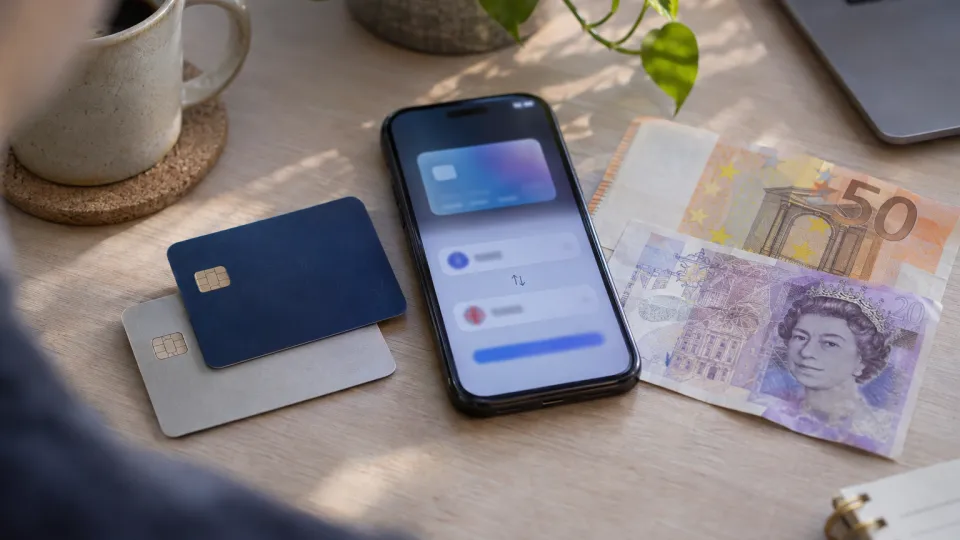
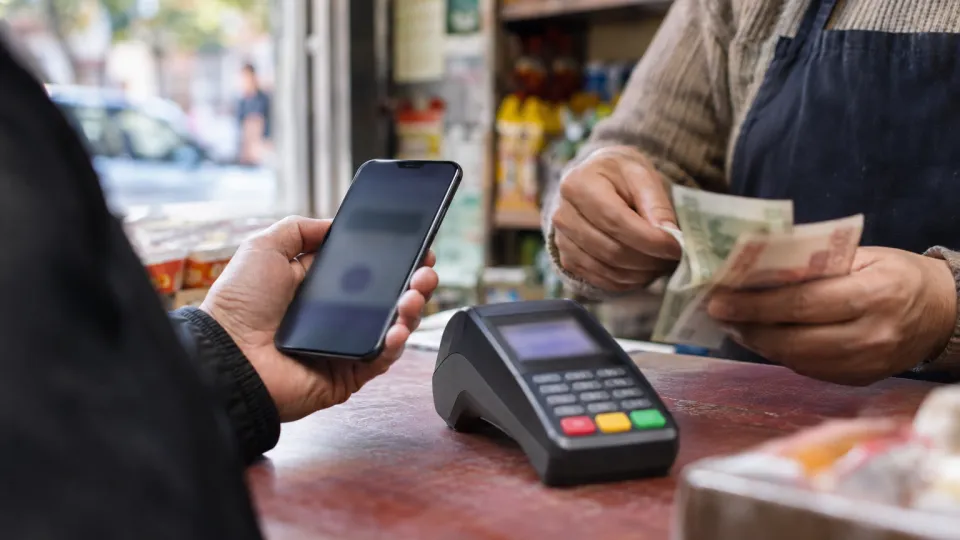
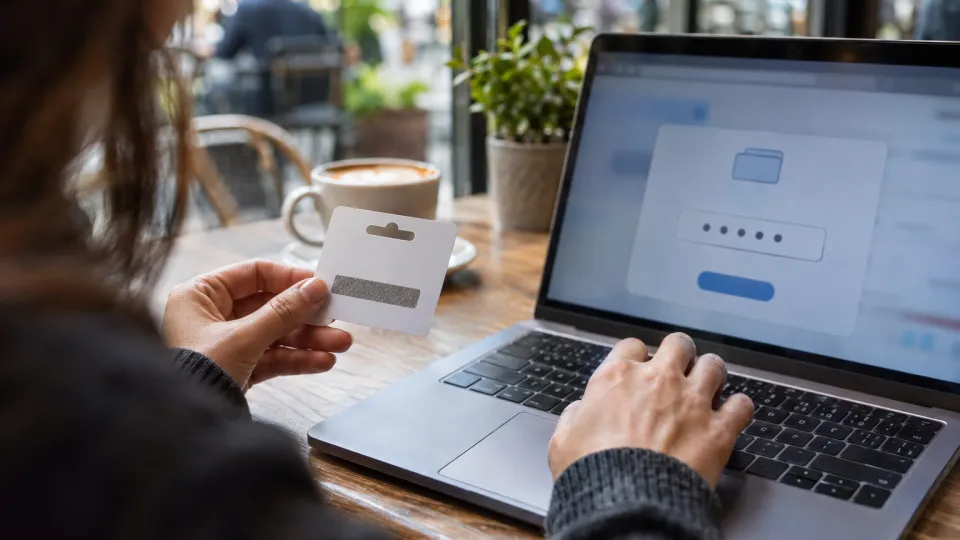
What is Neteller and how does the Paysafe digital wallet work
Neteller is an e-money wallet for paying online, sending money and moving funds to bank accounts and cards. How it works, who runs it and where its limits lie.
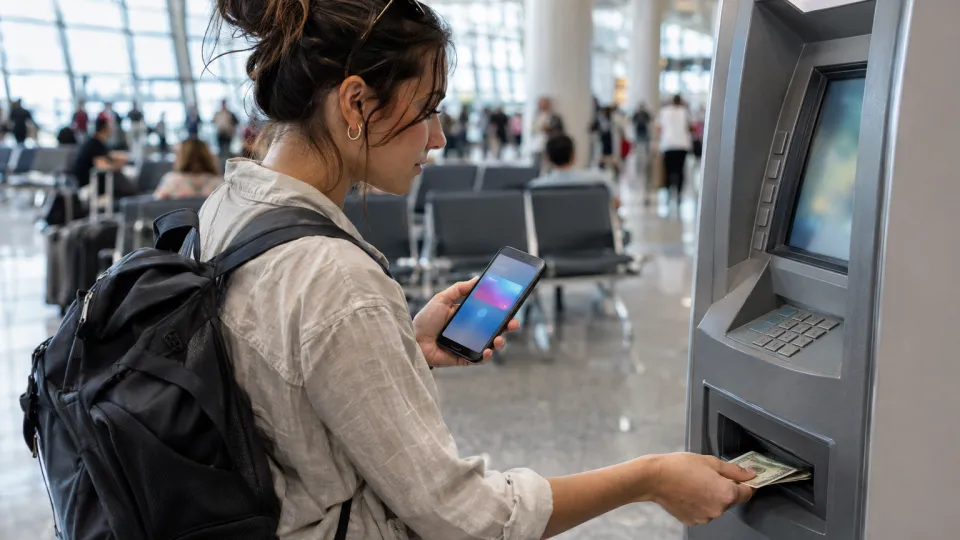
Key takeaways
- Neteller is a digital wallet that holds electronic money and is used to pay online merchants, send money to other people and withdraw to bank accounts and cards.
- It belongs to Paysafe, and in the European Economic Area it is provided by an electronic money institution regulated by the Central Bank of Ireland.
- Paying merchants is free, but most deposits, withdrawals, transfers and currency conversions carry fees, so the fee page matters before money goes in.
What is Neteller? Neteller is a digital wallet, an online account that holds electronic money and lets its users pay online merchants, send money to other people and withdraw funds to a bank account or card. It is owned by Paysafe, the payments group that also runs Skrill and paysafecard, and in Europe it is provided by an electronic money institution regulated by the Central Bank of Ireland.
In practice, a user opens an account, verifies their identity, adds money from a card, bank account or local payment method and then pays or transfers from the balance. The wallet is common at merchants in online trading, digital services and gaming, where it lets customers pay and receive withdrawals without handing card details to each site. Around that core sit a prepaid Mastercard, international transfers to bank accounts and, in some countries, the ability to buy and sell cryptocurrency.
The service looks simple on screen, but it has its own rules on fees, limits, verification and protection. Knowing them before moving money in is what separates a convenient tool from an expensive surprise. Details in this article were checked against Neteller's and Paysafe's own pages in November 2026.
What is Neteller, and who owns it
Neteller is one of the older names in online payments. Paysafe's own press materials describe Neteller as founded in 1999, and the group's US securities filings trace the business to Canada, where it was set up to commercialize an e-wallet concept.
The listed company behind the wallet went through several changes of name. According to Paysafe's annual report filed with the US Securities and Exchange Commission, it became Neovia Financial in 2008 and took the name Optimal Payments in 2011 after an acquisition. Optimal Payments completed its purchase of the Skrill Group in August 2015 and renamed itself Paysafe Group plc in November 2015. A consortium led by CVC Capital Partners and Blackstone took the group private in 2017, and Paysafe returned to public markets in March 2021, when its shares began trading on the New York Stock Exchange after a merger with a special purpose acquisition company.
One part of that history still shapes where the wallet operates. Paysafe's filings record that Neteller announced its withdrawal from the US market after a 2006 US law restricting internet gambling payments, suspended that business after federal criminal action in January 2007 and entered a deferred prosecution agreement in July 2007. Neteller's website states that it does not operate in the United States and points US visitors to Skrill instead.
Skrill and Neteller are therefore sister brands with one owner, similar products and separate wallets. The comparison of Skrill vs Neteller covers the differences, and the profile of Paysafe Group explains the wider business.
Who regulates Neteller
Neteller is not a bank. Which company a customer contracts with depends on where they live:
- European Economic Area. Neteller's terms name Paysafe Payment Solutions Limited, trading as Neteller, with its registered office in Dublin. It is authorized by the Central Bank of Ireland as an electronic money institution (licence number C184986, as stated in the terms) and as a crypto-asset service provider under the EU's MiCA regulation.
- United Kingdom. Neteller's UK terms name Paysafe Financial Services Limited, which Paysafe lists as authorized and regulated by the Financial Conduct Authority (firm reference number 900015).
- Canada. Neteller's site states that Paysafe Financial Services Limited is registered with FINTRAC as a foreign money services business.
Because the balance is electronic money rather than a deposit, the usual rules for e-money apply. Neteller's terms state that e-money accounts are not bank accounts, that no interest is paid on balances and that a customer could lose money held in the account if the provider became insolvent. Instead of deposit insurance, e-money issuers must safeguard client funds, keeping them separate from their own money. The explainer on electronic money institutions sets out how safeguarding works and where its limits lie. Readers can confirm any firm's status on the registers of the Central Bank of Ireland and the Financial Conduct Authority.
How Neteller works, step by step
- Open and verify the account. Users must be at least 18 and, under the terms, may hold only one account. Verification involves a photo of an identity document and a selfie, and proof of address may be requested. Transaction limits rise once identity is verified.
- Add money. Funds can be loaded by card, bank transfer and a long list of local payment methods. Most deposit methods carry a percentage fee, set out in the guide to Neteller fees and limits.
- Pay merchants. At a site that accepts Neteller, the customer selects it at checkout and approves the payment in the wallet. Neteller describes paying merchants this way as free. In Europe, logins and payments are subject to strong customer authentication.
- Send money. Users can send to other Neteller customers for a fee, and an international money transfer service sends funds to bank accounts in a list of countries, with a send fee and an exchange-rate markup.
- Withdraw. Money can go out to a bank account, an eligible card or back to a merchant, each with its own fee and limits.
Main features at a glance
| Feature | What it does | Points to check |
|---|---|---|
| Wallet balance | Holds e-money in the account currency | No interest, conversion fee on other currencies |
| Merchant payments | Pays sites that accept Neteller | Merchant must offer it, limits apply |
| Neteller-to-Neteller transfers | Sends money to another user | Sending fee, receiving is free |
| International money transfer | Sends money to a bank account abroad | Send fee plus exchange-rate markup |
| Net+ prepaid Mastercard | Spends the balance in shops and at ATMs | Card fees, offered in selected countries |
| Cryptocurrency | Buys, sells and holds certain cryptoassets | Separate terms and market risk |
| Knect loyalty points | Earns points on qualifying transactions | Points expire under programme rules |
Account levels and limits
Every account starts at the Standard level. Neteller True is available to fully verified customers who have made an eligible deposit by card or bank account and logged in through the mobile app; Neteller describes it as a lifetime level with lower money transfer fees. VIP status depends on the volume of eligible transactions each quarter and is reviewed quarterly, so it can be lost.
Limits are separate from levels. Neteller's help pages explain that limits depend on verification status and the payment method chosen, run on rolling daily, weekly or monthly periods and can be raised by completing identity and address checks. The current limits for each account are shown inside the account settings.
Pros and cons of Neteller
A wallet that is free at the checkout can still be costly at the edges, where money goes in, comes out or changes currency.
Advantages
- Lets customers pay online without sharing card details with each merchant.
- Accepted by many merchants in its core markets, often for both payments and withdrawals.
- Provided by firms regulated as electronic money institutions, with client funds safeguarded.
- Offers a prepaid card, international transfers and multi-currency use in one account.
Drawbacks
- Fees apply to most deposits, withdrawals, transfers and currency conversions.
- An inactivity fee applies if the account is not used for six months.
- Not available in the United States, and Neteller says it no longer accepts new registrations from India.
- No interest and no deposit insurance on balances.
- The terms allow chargebacks on wallet top-ups mainly for unauthorized use, and do not describe a purchase protection programme of the kind some larger wallets offer.
- Conversions between currencies carry a fee on top of the exchange rate, which is worth comparing against a reference rate such as the site's currency converter.
Frequently asked questions
Is Neteller a bank?
No. Neteller is provided by electronic money institutions in the Paysafe group. Balances are e-money, earn no interest and are protected by safeguarding rules rather than deposit insurance.
Is Neteller available in the United States?
No. Neteller's website states that it does not operate in the US and directs US visitors to Skrill, Paysafe's other wallet, which serves US customers through a separate licensed company.
Is Neteller the same as Skrill?
They share an owner, Paysafe, and in the European Economic Area the same Irish-regulated company provides both. They remain separate wallets with their own accounts, fee pages, account levels and loyalty schemes, and moving money between them carries a fee.
The bottom line
Neteller is a long-established e-money wallet owned by Paysafe and regulated in Europe and the UK as an electronic money business. It works well for paying merchants that accept it, especially where users prefer not to share card details, and it bundles a prepaid card and international transfers into one account.
Its costs sit at the edges: loading money, withdrawing it, sending it and converting currency. Checking the current fee page, the verification limits and the entity named in the terms before funding an account is the most practical way to use the wallet with open eyes.
This article is for information and education only and is not investment, legal or tax advice. Rules, rates and market conditions change; check the latest position with a qualified adviser or the relevant authority before acting. Our editorial standards.